 English

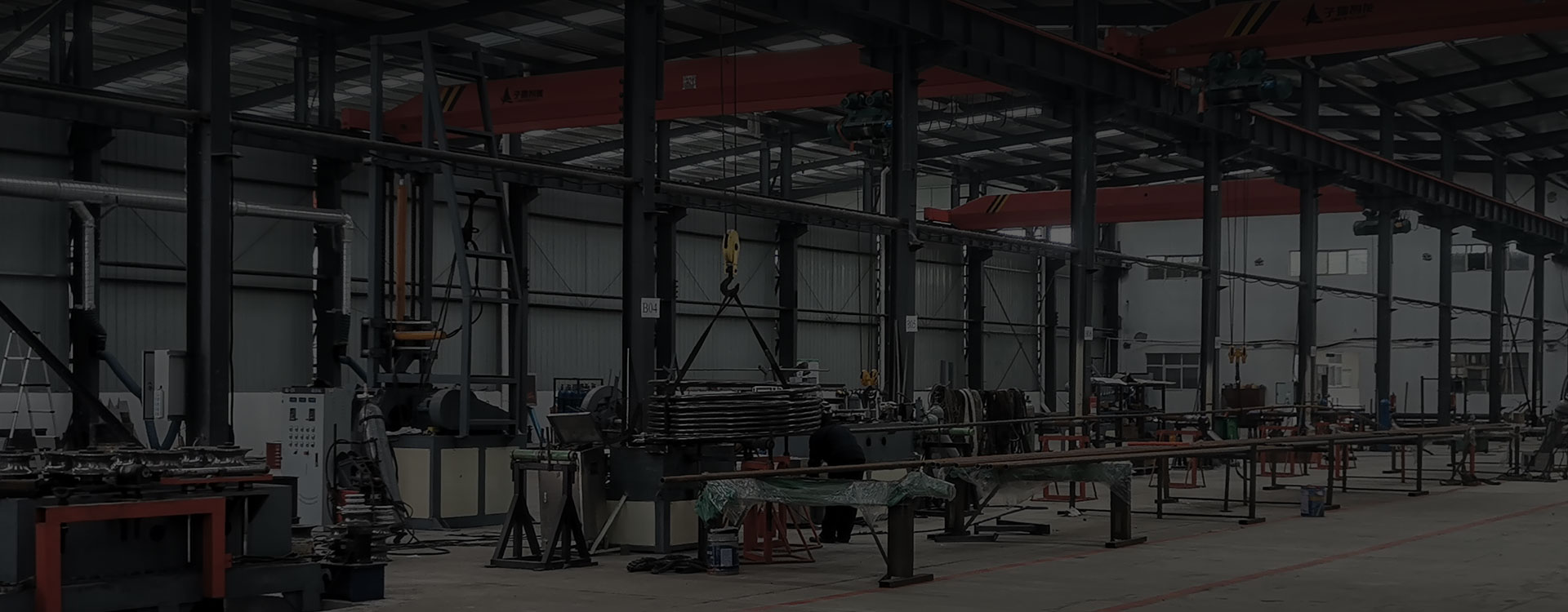
Safety issues may arise during the use of coiling machine equipment. Therefore, the staff of Changfeng Bending Equipment will teach you how to correctly and safely use the coiling machine. First of all, when using the coiling machine, attention should be paid to adjusting the changes in the distance between the rollers and monitoring the rotation status during the operation of the equipment. If the equipment reaches its limit, it should be stopped immediately to avoid accidents. Secondly, the coiling machine requires regular maintenance and repair during use, especially for various transmission mechanisms and connecting components of the equipment. Regularly check whether all parts of the equipment are damaged or loose. At the same time, during the operation of the equipment, it is also necessary to check for slippage between the pipe and the surface of the rollers. In addition, if oil leakage, vibration or abnormal noise occurs during the operation of the coiling machine, the equipment should be stopped immediately for inspection to prevent serious damage. Meanwhile, personnel must not approach the equipment during operation, otherwise accidents may occur. The above are the safe usage methods for coiling machine equipment. We hope that everyone will refer to the above content more when using the equipment in the future.
Some customers may experience oil cylinder leakage in coiling machines due to improper use. What are the specific causes of this phenomenon? Let’s take a look.
One possible cause of oil cylinder leakage during the operation of a coiling machine is a problem with the sealing ring. Generally, sealing ring components have a corresponding service life. After long-term use of the equipment, the sealing ring components may be damaged, leading to oil leakage from the equipment’s oil cylinder. Therefore, in future use of the equipment, it is necessary to regularly inspect the sealing rings of the equipment’s oil cylinder components. If any damage is found, they should be replaced in a timely manner.
In addition, coiling machine units are mainly composed of heat exchange coils, fans, and shell components. Their appearance and structure are aesthetically pleasing, and they are relatively easy to use, while also meeting the needs of different customers.
In conclusion, if you encounter any problems during the use of the coiling machine, you can directly visit the official website of Xinxiang Changfeng Bending Equipment Co., Ltd. for consultation and information.
Adaptation to material properties
Aluminum is soft and has good ductility, like soft noodles. It is relatively easy to form during roll bending, but care should be taken to avoid material damage caused by excessive deformation. Steel and iron products have high hardness, like tough branches. They require greater force during roll bending. It is necessary to ensure that the equipment has sufficient power and the mold accuracy is appropriate to prevent cracks or uneven bending.
Adjustment of processing parameters
For different materials, the parameter settings of the roll bending machine are crucial. For example, when processing aluminum, due to its softness, the rotation speed can be appropriately increased. When processing steel, the rotation speed should be reduced and the pressure needs to be increased to ensure the bending effect and quality.
Selection and maintenance of molds
Choose molds according to the material. For aluminum, use molds with smooth surfaces to reduce friction; for steel, more wear-resistant molds are needed. At the same time, clean and maintain the molds regularly to ensure their accuracy.
Lubrication and cooling
During aluminum processing, good lubrication can reduce mold sticking. For steel processing, not only lubrication is needed, but also cooling may be required to prevent high temperatures from changing the material properties and ensure its normal operation.